

Fourth Workshop and Training under the DiLanEdu-WB Project
This two-day training seminar provides participants with a comprehensive exploration of multimedia learning, digital tools, artificial intelligence, and innovative methodologies for language teaching.
Day 1 begun with an introduction to multimedia learning principles, focusing on Richard Mayer’s research and current trends in effective multimedia design. Participants then engage in hands-on activities to create multimedia materials using tools such as PowerPoint, H5P, and AI-based applications. The program continues with a workshop on designing interactive language lessons, where educators experiment with platforms like Genially, Voki, and LearningApps to integrate visual design, gamification, and student voice into cohesive learning experiences. The final session introduces AI and Natural Language Processing tools—such as ChatGPT and Sketch Engine—to support vocabulary, grammar, text comprehension, and academic writing, emphasizing both pedagogical opportunities and ethical considerations.
Day 2 was focused on collaboration, creativity, and emerging technologies in language education. The first workshop examines how digital platforms like Miro, Wakelet, and VoiceThread can foster co-creation, interactive communication, and multimodal language learning. This is followed by a session on Virtual and Augmented Reality in education, reviewing key research and introducing tools for designing VR/AR classroom projects. The final workshop centers on digital storytelling, guiding participants in transforming written texts into multimodal narratives using platforms such as Canva, while highlighting how linguistic and visual choices work together to shape meaning.
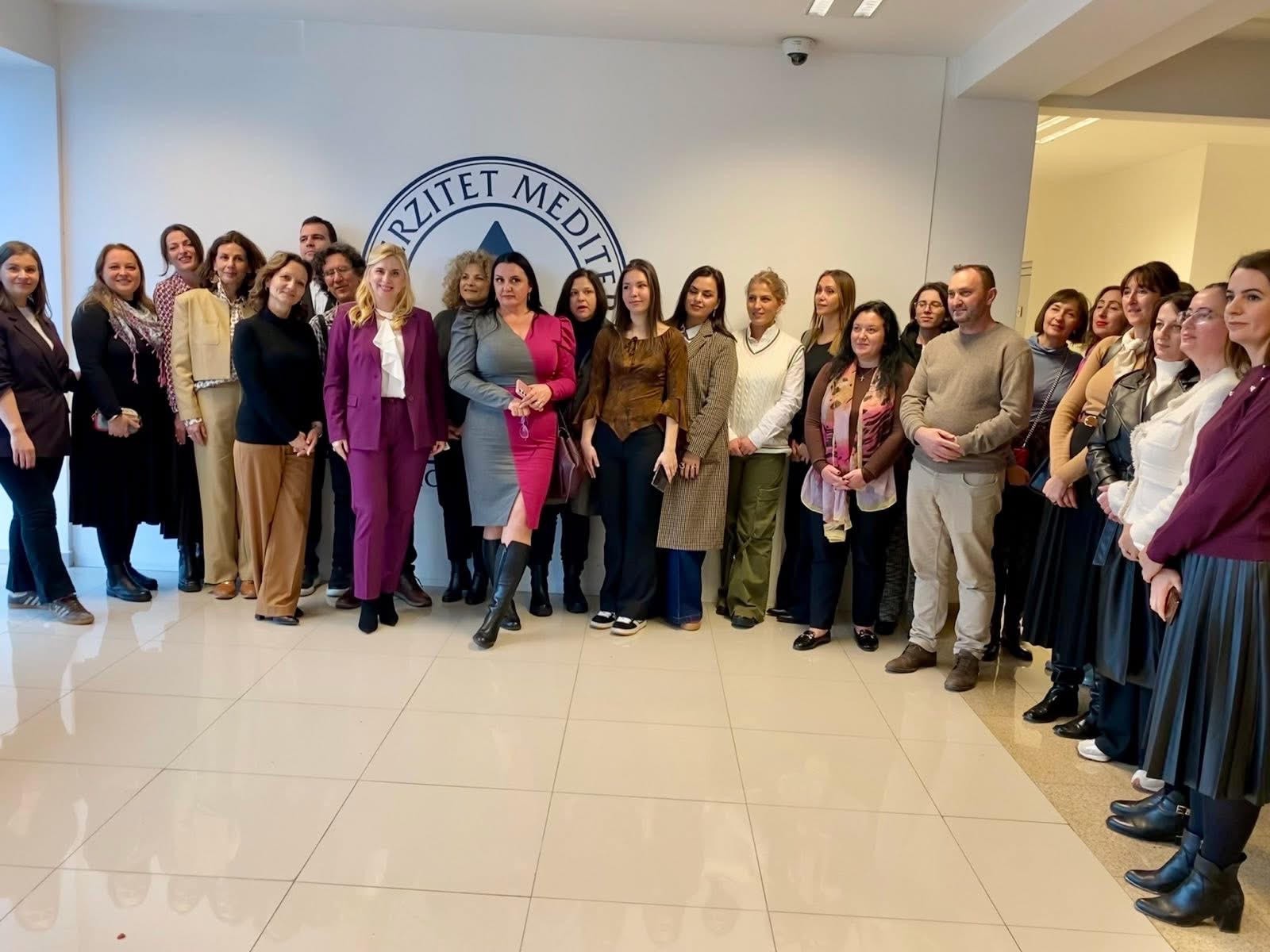
A substantial number of academic staff members and students from the Faculty of Education of UIBM participated in this training session through physical and visual/online engagement, reflecting the strong interest in advancing both technological competence and holistic student development.